Money:

What is Money?
Most people think of money as paper bills or coins. And it’s true – those are physical representations of money we use to exchange goods and services. But money is more than just pieces of paper or metal.
Money is a tool. It is what we use to buy the things we need (like food, clothing, and shelter) and pay services (like getting a new video game). It’s a way to exchange something of value between two people.
Money comes in different forms, like coins, bills, credit cards, and digital payments. All of these types of money have different values. But no matter the form, money represents a promise of value.
Whether we like it or not, Money is a massive part of our lives. It’s how we get by day-to-day; it’s a tool that can help us accomplish our goals and even shapes how we see ourselves.

Banking 101:
If money makes the world go round, financial institutions, like banks and credit unions allow this. They make it possible for people to safely store and manage their money.
Imagine if you had to keep all of your money at home. Sure you could keep it safe, under your mattress, or in a suitcase. But that would be a lot of work and it’s unsafe. What if there was a flood, fire, or someone broke into your home? Then you would be all out of money! That’s why bank accounts can be a great option. A bank account is like a online safe to store your money. It’s much safer than keeping it at home!
Here are five good reasons to have a bank account:
- Convenience: a bank account makes it easier and more convenient to manage your finances, pay bills, save for the future, and access Cash when needed.
- Accessibility: bank accounts are available 24/7, meaning you can access your money whenever you needed.
- Interest income: you can earn interest on your money if you save it in the savings account. This means that, over time, your money grows.
- Added security: banks help to keep your money safe and secure, protected against theft, loss, or damage.
- Credit building: a bank account is one of the first steps to establishing and building a good credit history.
Having a bank account is very important into taking charge of your finances.
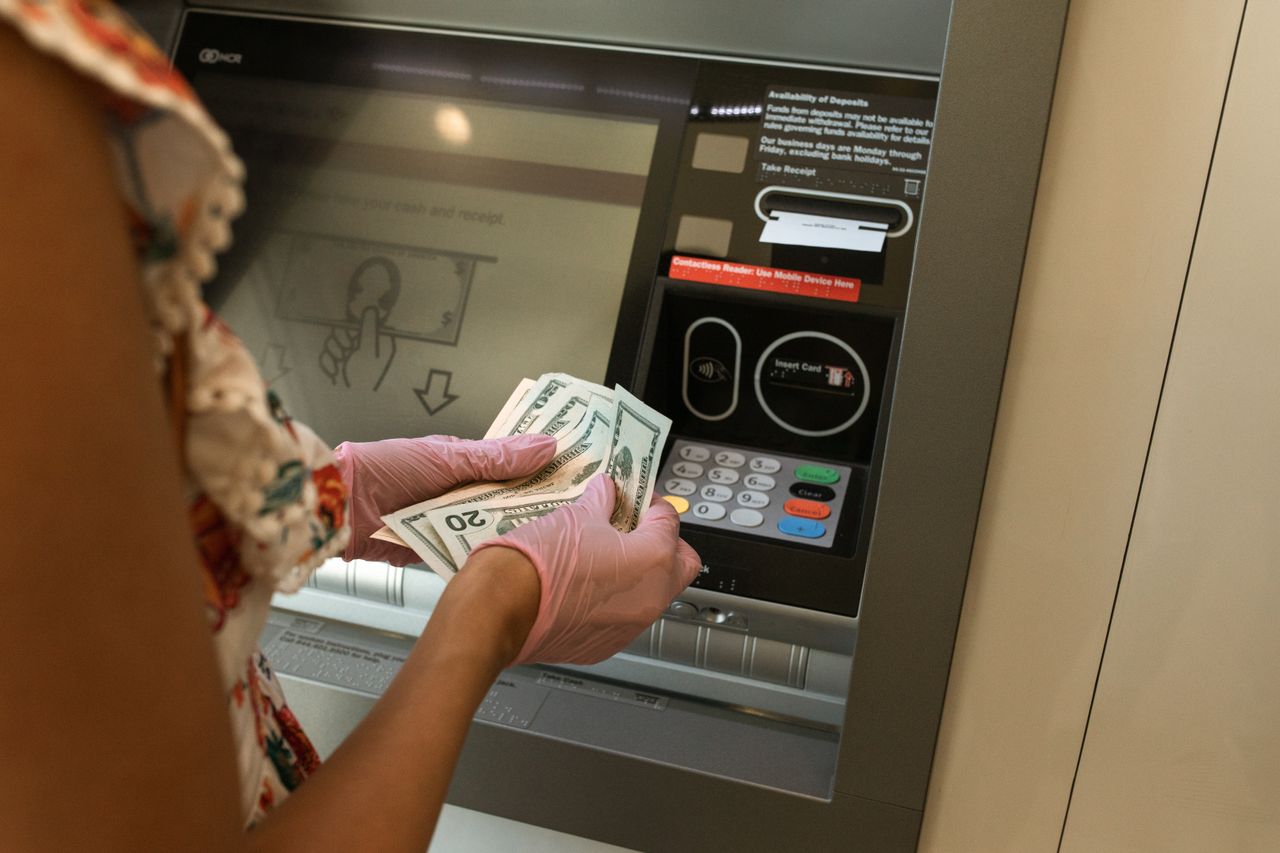
Opening a bank account:
Opening a bank account can be a great way to save money and access various financial services. To open a bank account follow these six simple steps:
- Compare accounts: before choosing an account, find one that meets your needs. Consider factors like minimum deposits, account fees, possible interest, rates, and features like online banking, debit cards, and mobile applications. Some banks might even offer special promotions or discounts for students.
- Gathered required documents: to open a bank account you must provide a valid form of identification, such as a drivers license, passport, or birth certificate. If you’re under 18, you might need an adult to verify your identity and provide proof of your address. You should check with your bank to see what documents they require.
- Choose a bank or credit union: once you’ve compared accounts and gathered the necessary documents, it’s time to choose one. You can look for banks with branches or ATMs near your home or school. You might also consider banks with mobile applications, good customer reviews, or rewards programs.
- Open the account: you need to fill out an application to open the account. This can typically be done online or in person. Make sure you double check your information before submitting the application.
- Fund the account: once your account is open, you will need to fund it. You can do this by transferring money from another account or depositing cash.
- Activate the account: if you open the account online, the bank will usually send you an email or a text message with a link to activate your account. Once you activated your account, you can access it online or through the bank’s mobile app.

Different types of Accounts
- Checking account: a checking account is an excellent option if you need to access your money quickly and frequently. This type of account is mainly used for every day transactions, like paying bills or buying things with a debit card.
- Savings account: a savings account is where you can put your money and earn interest. The interest is a small amount of money that the bank pays you for keeping your money with them. Savings accounts are great for saving up for short term goals, like a new bike or a trip to amusement park.
- Investment account: an investment account also known as a brokerage account is an ideal choice to invest your money and grow your wealth over the long-term. This type of account usually offers a priority of investments, such as stocks, bonds, and mutual funds. However, you should know investing involve risk, so always research before investing.
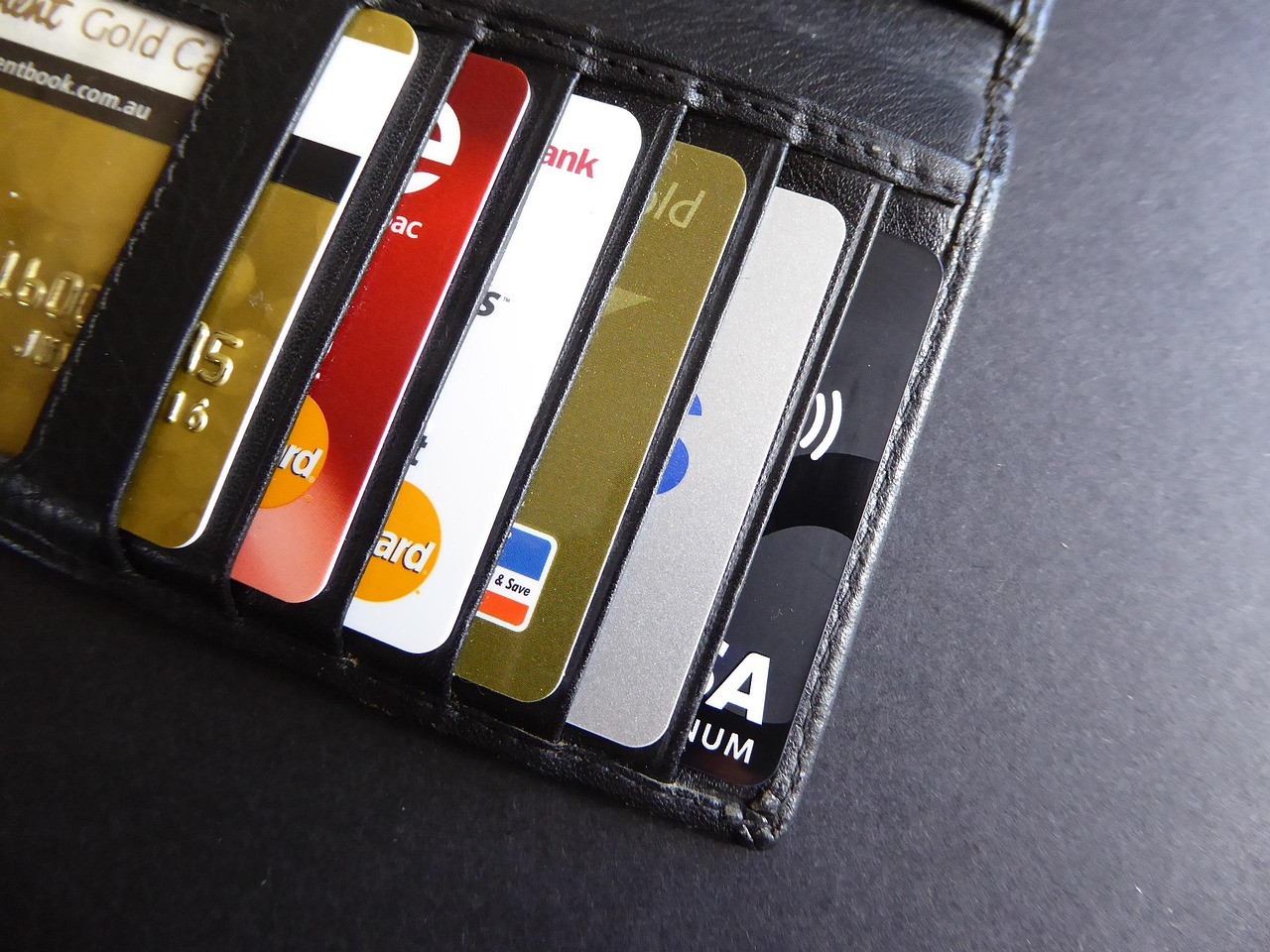
WHY a Good Credit Score matters and WHY you should care!
Even though you may not have the need for credit until the near future, it’s important to start thinking about your credit score now because the choices you make with your money today will impact your credit score. Here are six reasons why having a good credit score matters:
- Access to credit: a good credit score will make it easy to get approved for credit in the future. This includes credit cards, car, loans, student loans, and mortgages. When you have a good credit score, lenders see you as a lower risk, and they are more likely to approve you for credit.
- Lower interest rates: when you have a good credit score, you’ll be offered lower interest rate on loans and credit cards. This means you’ll save money on interest charges overtime.
- Better rental options: landlords often check credit reports when you apply to rent a property. A good credit score can make you more likely to be approved for a rental.
- Job opportunities: some employers check credit reports as part of the hiring process. A good credit score can help you get the job you want.
- Insurance: a good credit score can also help you get lower rates on insurance, such as car insurance.
- Building good habits: building good credit takes time; the earlier you start the better. Learning how to manage your credit responsibility now is essential so you’ll be prepared when you need it in the future.
Think of it like planting a seed in a garden. It takes time and effort to grow, but the end result is a beautiful garden with healthy plants. Building a good credit score is similar. It takes time in effort, but the result is a solid financial foundation that will benefit you in the long run.